
Does Compression Apparel Support Muscle Recovery?
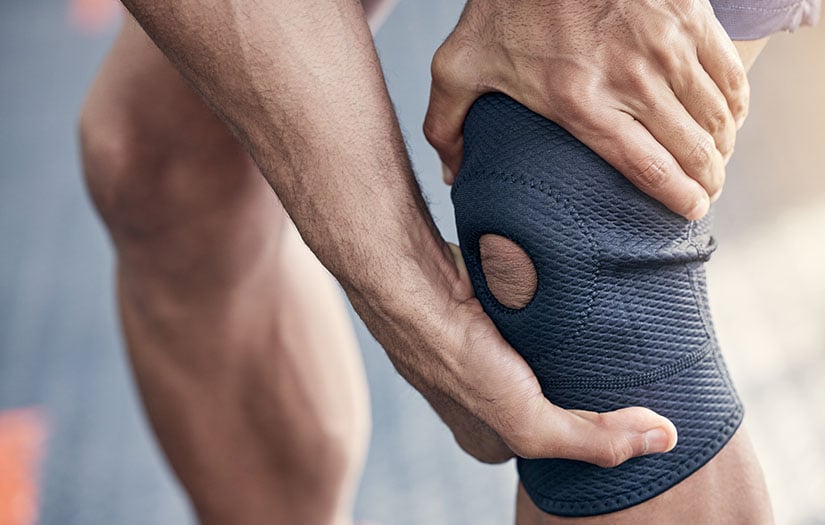
Yes, compression apparel helps with muscle recovery, mainly by improving blood circulation and reducing post-exercise discomfort. Muscle recovery compression apparel applies extra pressure to help you recover faster before and after physical activity. But when, how, and for whom it is used determine its effectiveness. Although they are not a panacea, compression garments can be a useful supplement to a recovery plan when used appropriately.
Athletes, fitness enthusiasts, and even those recovering from ailments are increasingly using compression garments to reduce stiffness and speed up their return to training. But what does science really say about it?
What is compression clothing?
Tight-fitting clothing intended to impart progressive pressure to particular body parts—typically the arms, torso, or legs—is referred to as compression clothing. Compression socks, sleeves, shorts, tights, and shirts are typical examples.
These clothes apply pressure that is strongest at the extremities and progressively lowers as it approaches the heart. Supporting venous blood flow, preventing fluid buildup, and stabilizing muscles both during and after exercise are the goals of this design.
Compression apparel is frequently used:
- When practising or competing
- Right after working out
- When sitting, standing, or travelling for extended periods of time
Compression gear was first created for medicinal purposes, but it is now commonly used in fitness and sports settings.
How Wearing Compression Garments Helps in Healing
Clearing metabolic waste, lowering inflammation, regaining muscle function, and limiting discomfort are just a few of the physiological processes involved in recovery following exercise. Compression garments may help these processes in a number of ways.
Better Blood Flow
Increased blood flow is one of the primary benefits that are suggested. Veins can return blood to the heart more effectively with compression, which may:
- Boost the muscles’ ability to receive oxygen
- Quicken the elimination of metabolic waste products like lactate
- Minimize blood clotting in the lower limbs
This improved circulation may help to explain why some athletes claim that wearing compression garments after exercise makes their legs feel lighter.
2. Reduced Muscle Swelling
Microtrauma in muscle fibers after intense exercise can cause localized swelling and inflammation. By applying external pressure, compression garments can help prevent excessive fluid accumulation in the tissues.
- Compression gear can help with the following by decreasing swelling:
- Reduced rigidity
- Returning to normal range of motion more quickly
- Enhanced comfort throughout the healing stages
What Doesn’t Compression Clothing Do?
It’s critical to make expectations clear. Compression apparel:
- Does not take the place of adequate diet, water, or sleep.
- Does not significantly reduce healing time by itself.
- Does not completely relieve muscular soreness.
Its function is supporting rather than therapeutic. Although the advantages are usually modest, over time, even minor gains might have a significant impact on regular trainers.
What can we learn about compression and recovery from research?
According to scientific research, wearing compression clothing after exercise rather than during performance may provide modest but reliable recovery benefits.
The majority of research indicates improvements in felt muscle soreness rather than necessarily in objective performance indicators. Practically speaking, athletes frequently feel better even if their strength or speed does not immediately return.
Who gains the most from wearing compression clothing?
Not everyone can benefit equally from compression clothing. They are typically more advantageous for:
- Athletes with endurance (running, cycling, triathlon)
- Trainers with a high volume and regular sessions
- People who are prone to leg edema or heaviness
- Individuals resuming their activities following a hiatus or minor injury
The impact is often negligible for people who exercise seldom.
Compression during and after physical activity
Time is of the essence. After training, compression gear appears to be more effective.


