
Why Recovery Days Are Equally Important as Exercise Days
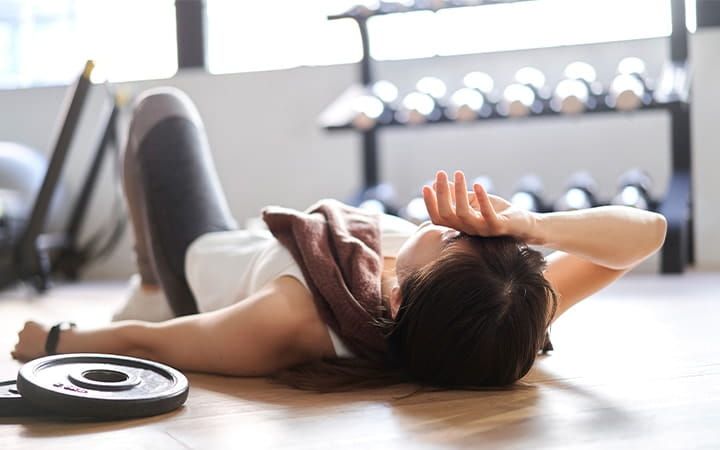
For many years, pushing harder, more repetitions, bigger weights, and longer sessions were the main focus of fitness culture. However, trainers and players have changed their point of view. Recovery is now viewed as an essential component of performance itself rather than as downtime.
Exercise does not make the body stronger. During healing, it reconstructs and adjusts. Even the finest training regimen might eventually result in weariness, discomfort, and uneven performance if recuperation assistance is insufficient.
For this reason, recovery-focused equipment has grown in significance for contemporary athletes. In particular, men’s compression apparel for recovery has emerged as a reliable resource for people who wish to maintain an active lifestyle while promoting muscle recovery in between workouts.
The Problem With Constant High-Intensity Training
Many athletes think that putting in more effort during training will inevitably provide greater outcomes. In actuality, following vigorous exercise, the body requires time to restore muscle tissue.
- Without adequate recuperation:
- Longer-lasting muscle soreness
- Energy levels may decline.
- Mobility could seem limited.
- Maintaining training consistency becomes more difficult.
Athletes are able to return stronger for the next workout because of their recuperation. Because of this, recovery techniques today encompass more than just staying hydrated and getting enough sleep; they also include wearing performance-focused clothing that helps the body recover from physical strain.
Why More Athletes Wear Compression Gear After Training
Compression clothing has gained popularity because it offers support even after exercise. Nowadays, a lot of athletes don’t just wear recovery compression gear while working out; they switch to it right away after training sessions.
Active people benefit from the supporting fit, which keeps them comfortable for the remainder of the day. Recovery clothing provides lightweight support without being heavy, whether you’re stretching, walking, traveling, or lounging at home.
Recovery Apparel Fits Modern Lifestyles
The more active lifestyles of today are one of the reasons recovery-focused apparel is becoming more and more fashionable. Many people immediately incorporate exercise into their job schedules, travel plans, errands, or outdoor pursuits. Recovery clothing facilitates a comfortable transition.
Compression gear is easy to incorporate into everyday life, unlike heavy recovery equipment or complex exercises. It supports movement throughout the day while offering comfort and flexibility. Because of its ease of use, recovery clothing is attractive to:
- Gym-goers
- Runners
- Professionals in tactics
- Outdoor athletes
- Regular travelers
Modern compression clothing is useful outside of the gym due to its adaptability.
Fabric Technology Has Changed Everything
After long durations of wear, older compression gear could feel stiff or uncomfortable. Thanks to developments in fabric innovation, contemporary recovery clothing has undergone substantial change. The goal of today’s performance clothing is to strike a balance between comfort and support.
Typical characteristics of high-end recovery gear include:
- Stretch fabrics that are lightweight
- Airflow panels that are breathable
- Technology that wicks away moisture
- Compression zones that are ergonomic
- Soft-touch fabric design
Athletes can now wear compression clothing for longer periods of time without feeling constrained thanks to these advancements.
Recovery Gear Is No Longer Just for Professionals
Earlier recovery compression clothing was mostly worn by professional athletes. That is totally different today.
Because they understand the advantages of being supported and comfortable in between sessions, regular fitness enthusiasts are now purchasing recovery clothes.
Even noncompetitive athletes frequently value the assistance and flexibility that compression clothing offers during:
- Extended workdays
- Days spent traveling
- Outdoor pursuits
- Regular exercise schedules
- Active lives in general
Recovery clothing has grown more widely used, contributing to its integration into popular fitness culture.
The Importance of Comfort in Recovery Apparel
When athletes are at ease, they perform better. Apparel distractions, overheating, stiffness, or limited movement can severely affect both training and recovery experiences.
The goal of contemporary recovery gear is to reduce those interruptions. Users may move freely while maintaining supportive compression because of lightweight materials and flexible construction.
One of the key factors contributing to recovery apparel’s continued rise in popularity across various fitness communities is its ability to strike a balance between comfort and functionality.
Final Thoughts
Nowadays, fitness is more than just training intensity. Recovery, mobility, and consistency are also important for long-term success. Instead of being seen as time away from training, recovery days are now seen as a crucial component of athletic advancement.
This development is reflected in compression recovery clothing, which provides support that is appropriate for busy lifestyles. Athletes now have more efficient ways to stay mobile, comfortable, and ready for their next challenge because of the recovery-focused gear.


